
Survey findings
What a consumer perception survey found about sustainability claims.
A consumer perception survey was conducted alongside the Illumination Index research.
Photo by Clay Banks
71%
of survey respondents described themselves as skeptical or uncertain about generic corporate sustainability claims, but were unable to identify the specific basis for that view.
Three Findings That Explain The Gap
81%
had little to no familiarity with ESG before the survey despite being exposed to ESG-driven marketing daily.
95%
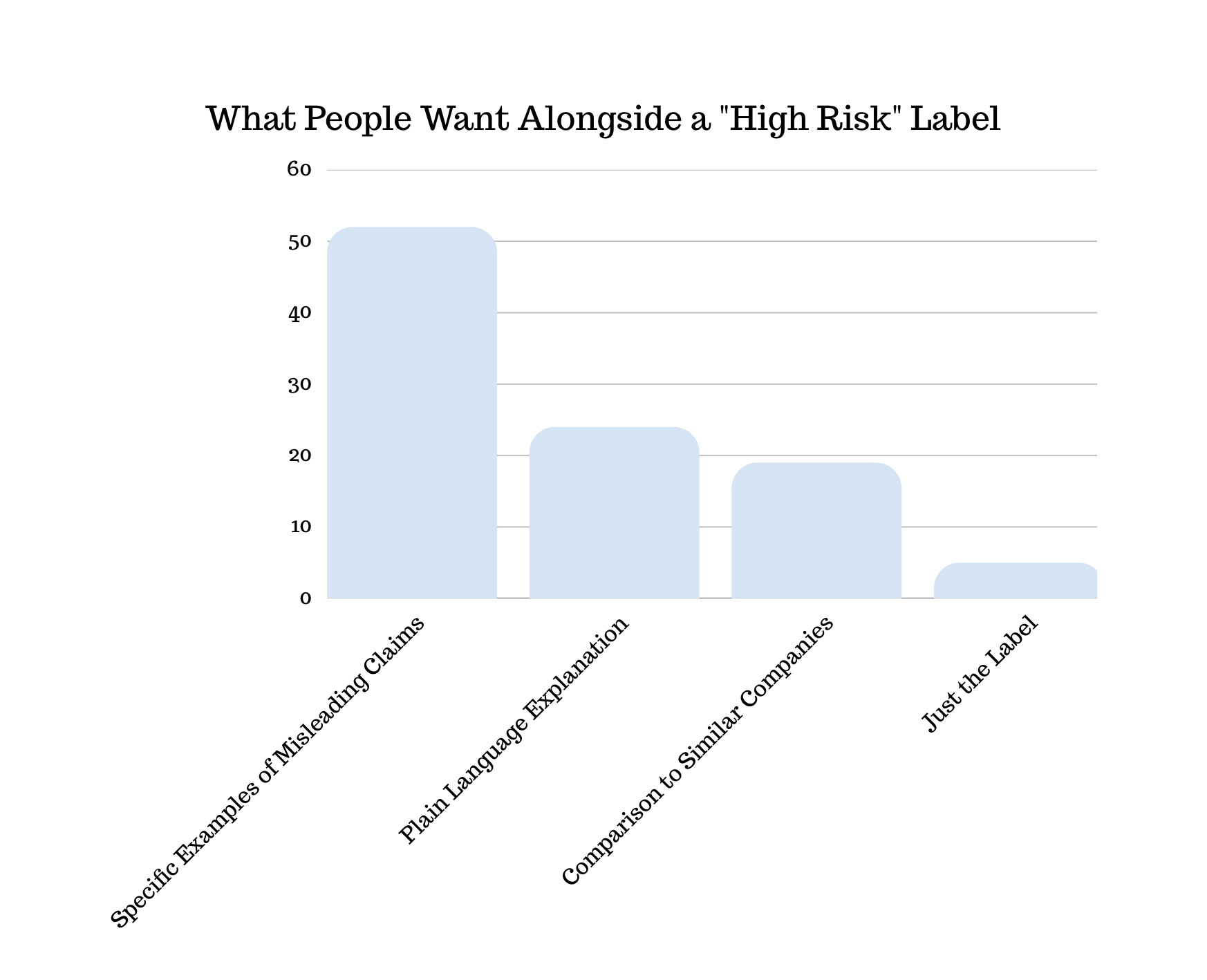
said that a high-risk result would be more useful if it included the specific claims and evidence behind the finding, rather than only a number.
52%
said they would be most likely to trust a sustainability claim if it had been independently verified by an outside organization.
That last finding shaped the entire evidence architecture of the Illumination Index. Every value on this site is anchored to named evidence because that is what consumers said they needed.-make more understandable.
Four things we learned about how people actually think about this.
Skepticism without language is not skepticism, but anxiety.
71% of respondents described themselves as skeptical or distrustful of generic sustainability claims. The Illumination Index responds to that skepticism by showing the specific evidence behind a company’s claims, rather than asking consumers to rely on the claim alone.
1
ESG is a framework built for investors, marketed to consumers.
81% of respondents had little or no familiarity with ESG, even though companies regularly use ESG-related topics such as climate, sourcing and corporate responsibility in consumer communications. The Illumination Index helps close that knowledge gap by translating complex sustainability information into evidence consumers can more easily understand and evaluate.
2
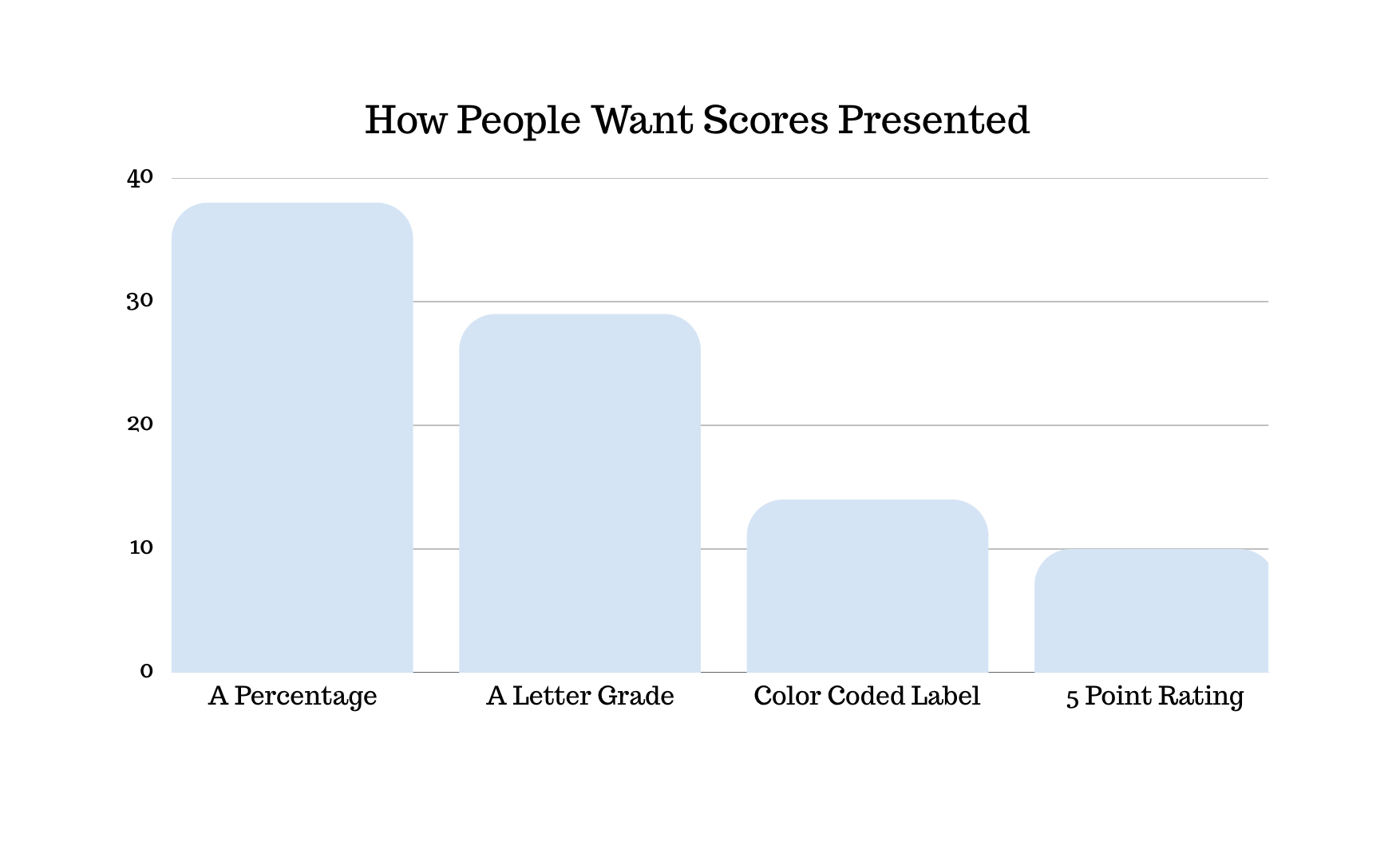
People don't just want a score, they also want the receipts.
95% of respondents wanted specific evidence behind a high-risk result, not just an Index value. They wanted to see what a company claimed and what evidence supported, complicated or contradicted it. The Illumination Index structures each finding around those claims, data and sources.
3
In a vignette experiment, respondents rated two versions of the same carbon commitment: one vague, one specific and verified. The gap was 1.5 points on a 5-point scale. Consumers are not cynical or careless. They are responsive to evidence, but they almost never receive it. (See below)
4
Specificity is the variable that moves trust.
When asked what would make them trust a claim, consumers were clear
52%
Would want independent third-party verification, which is the most-cited factor by a significant margin.
95%
Would want claim-level evidence alongside any transparency rating.
The Vignette Experiment
Respondents were shown two versions of the same sustainability claim and asked to rate trustworthiness on a scale of 1 to 5.
Version A: Vague
"We have committed to reducing Scope 1 and 2 emissions 50% by 2030 from a 2019 baseline, validated by the Science Based Targets initiative."
Trustworthiness: 3.9/5
"We are committed to reducing our environmental impact and building a more sustainable future for generations to come."
Trustworthiness: 2.2/5
Version B: Specific and Verified
1.5 Points
The gap between general and specific language was larger for carbon claims than for packaging claims in the same survey.-maybe delete, make it the same thing, explain gap between versions
Gap Between Versions
What this finding shows and does not show: The vignette experiment measured how respondents rated two versions of a claim on a trustworthiness scale. It demonstrates that claim specificity is associated with higher trustworthiness ratings in this sample. It does not evaluate the accuracy of either claim, and it does not represent the views of all consumers. Visitors are invited to draw their own conclusions from the data.