g ExxonMobilImpact.
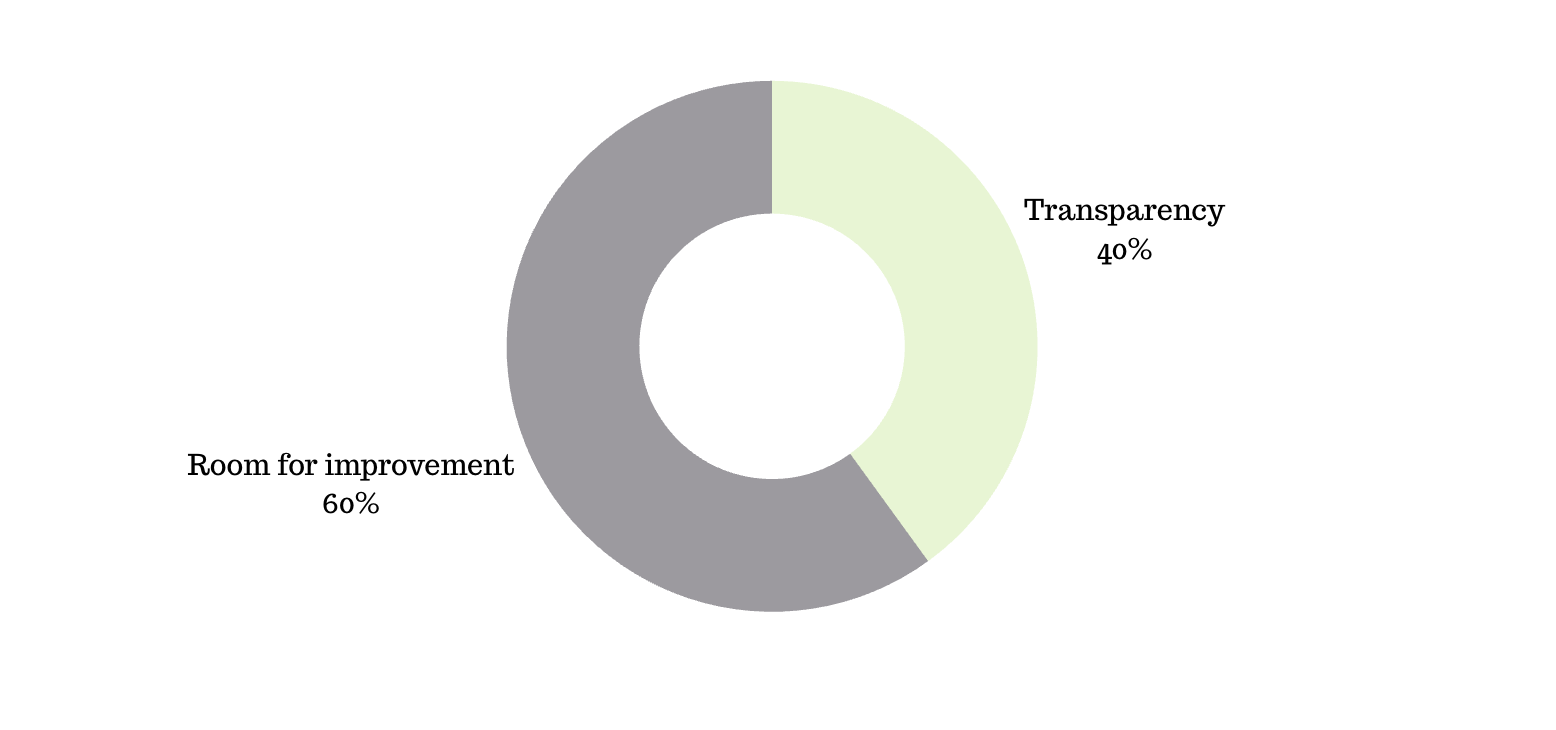
Illumination Index
11/22
Greenwashing Risk
Moderate · 6/12
Credibility Gap
Moderate · 5/10
Key Finding · Admission architecture
ExxonMobil does not hide that its emissions are going up. It says so directly, it is projecting a 6% increase in full life-cycle absolute emissions by 2030. That is not greenwashing in the traditional sense. That is something more deliberate.
It leads its sustainability communications with the position that nobody is doing more.
A company projecting rising emissions through 2030 while claiming industry leadership is not making a performance argument. It is making a framing argument.
Then there is the proposed Carbon Emissions Accounting framework. ExxonMobil advocates replacing the GHG Protocol (the global standard every other company in this dataset uses) with its own methodology. The practical effect is not improved accuracy. The practical effect is that ExxonMobil becomes incomparable to any peer. You cannot benchmark a company that controls its own protocol.
They disclose unflattering data just honestly enough to protect itself against accountability, while building the structural conditions that make meaningful comparison impossible. This frames their company as if nobody is doing better than them in the minuscule good ExxonMobil is accomplishing, and that the standard that every other company is being compared to, does not apply to them since they are using their own framework to determine how successful their sustainability efforts are.
To put this all simply, ExxonMobil is not hiding the numbers. It is hiding behind them.
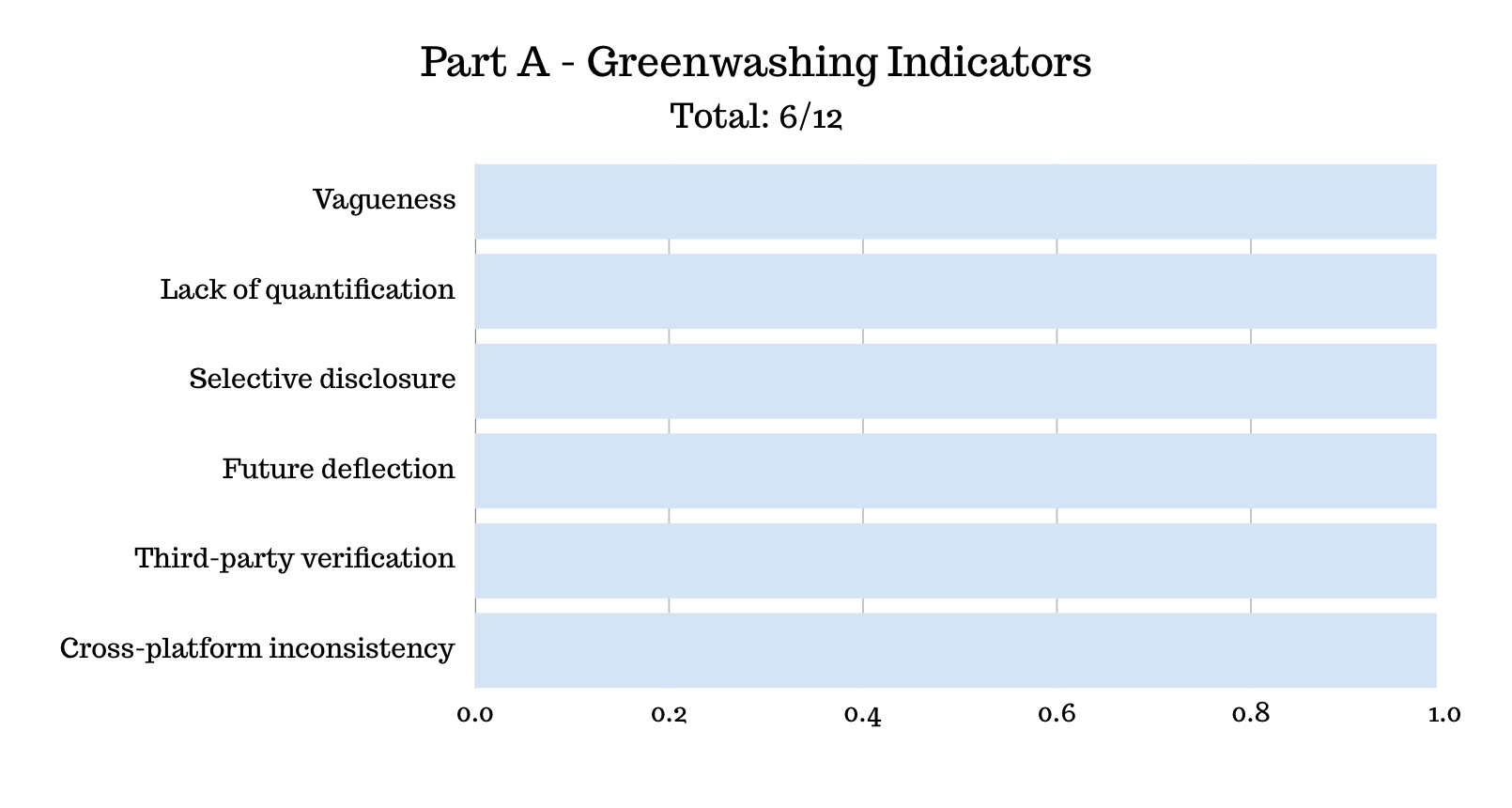
Part A: Greenwashing indicators
1. Vagueness - Claims with no measurable meaning
2. Lack of quantification - Assertions without data attached
3. Selective disclosure - Selective reporting that omits unflattering numbers
4. Future deflection - Bold 2050 or future goals masking current performance
5. Third-party verification - No third-party validation of claims
6. Cross-platform inconsistency - Report vs. Instagram vs. investor materials
Each indicator scores 0 (absent), 1 (partial, mitigating factors present), or 2 (clear and systematic failure). Total max = 12.
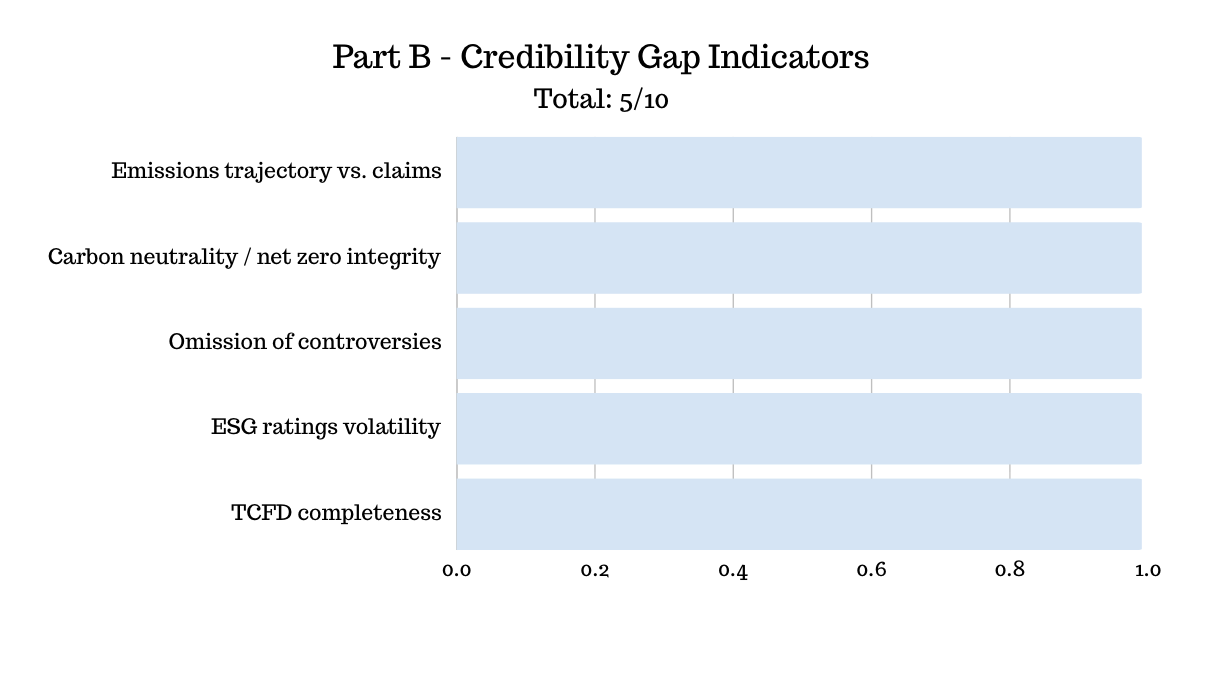
Part B: Credibility gap indicators
1. Emissions trajectory vs. reduction claims - Are emissions actually going down?
2. Carbon neutrality / net zero claim integrity - Is the 2050 commitment backed by anything real?
3. Omission of material controversies - What didn't make it into the sustainability report?
4. ESG ratings volatility - Volatility across independent rating agencies
5. TCFD disclosure completeness - How complete is the TCFD-aligned reporting?
Scored N/A where a company makes no relevant claim (e.g. no net zero commitment). Total max = 10.
References
Environmental Resources Management (ERM CVS). Independent limited assurance statement: ExxonMobil greenhouse gas emissions and energy use data. ERM.
ExxonMobil. (2024). 2024 advancing climate solutions progress report. https://corporate.exxonmobil.com/sustainability-and-society/climate-solutions
ExxonMobil. (2024). 2024 sustainability report. https://corporate.exxonmobil.com/sustainability-and-society/sustainability-report
ExxonMobil. (2024). Annual report pursuant to Section 13 or 15(d) of the Securities Exchange Act of 1934 (Form 10-K). U.S. Securities and Exchange Commission. https://investors.exxonmobil.com/financial-information/annual-reports-and-proxy
ExxonMobil. (n.d.). Real world progress . https://lowcarbon.exxonmobil.com/about-us/real-world-progress
InfluenceMap. (2025). ExxonMobil: Climate policy engagement . https://lobbymap.org/company/ExxonMobil
International Energy Agency. (2023). Net zero by 2050: A roadmap for the global energy sector. IEA. https://www.iea.org/reports/net-zero-by-2050
Ipieca & IOGP. (2023). Ipieca–IOGP petroleum industry guidelines for reporting greenhouse gas emissions (3rd ed.). Ipieca. https://www.ipieca.org/resources/good-practice/ipieca-iogp-petroleum-industry-guidelines-for-reporting-greenhouse-gas-emissions/
Net Zero Tracker. (n.d.). ExxonMobil . Energy & Climate Intelligence Unit, Oxford Net Zero, NewClimate Institute, & Data-Driven EnviroLab. https://zerotracker.net
Science Based Targets initiative. (n.d.). SBTi target dashboard . https://sciencebasedtargets.org/companies-taking-action
World Resources Institute & World Business Council for Sustainable Development. (2004). The greenhouse gas protocol: A corporate accounting and reporting standard (Rev. ed.). WRI/WBCSD. https://ghgprotocol.org/corporate-standard